
Blog
Buying a Horse in Arizona
Oct
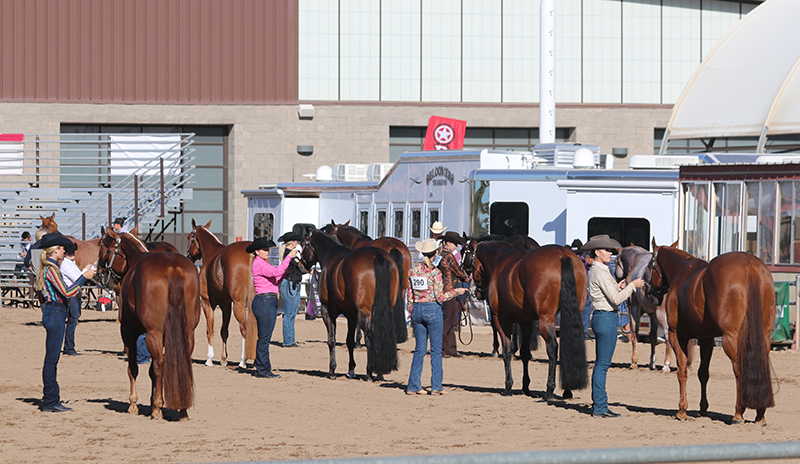
Buying a Horse in Arizona: Your Complete Guide to “Horses for Sale in Arizona” 🐎
If you’re thinking about purchasing a horse in Arizona, you’re embarking on a truly rewarding journey. The Grand Canyon State offers wide-open desert vistas, mountainous trails, and a vibrant equestrian scene — making it an ideal place for horse buyers of all kinds. In this article, we’ll walk you through everything you need to know: from why Arizona is special for horse buyers, to what to look out for when selecting a horse, to practical steps and legalities for owning a horse in the state.
-
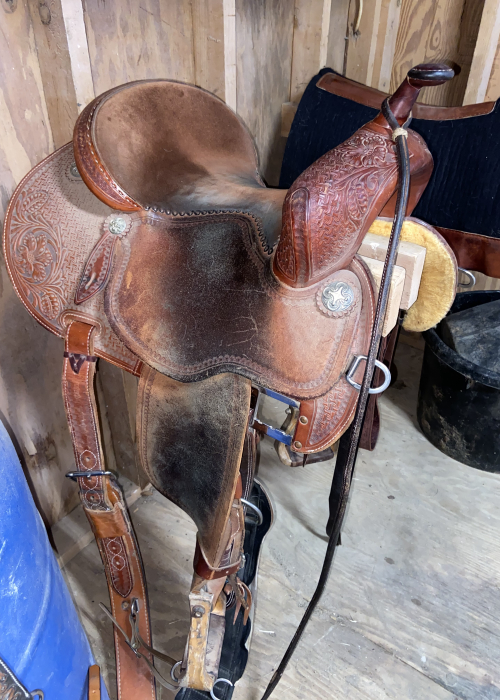
14in FX3 Barrel Saddle
$2,500.00 -
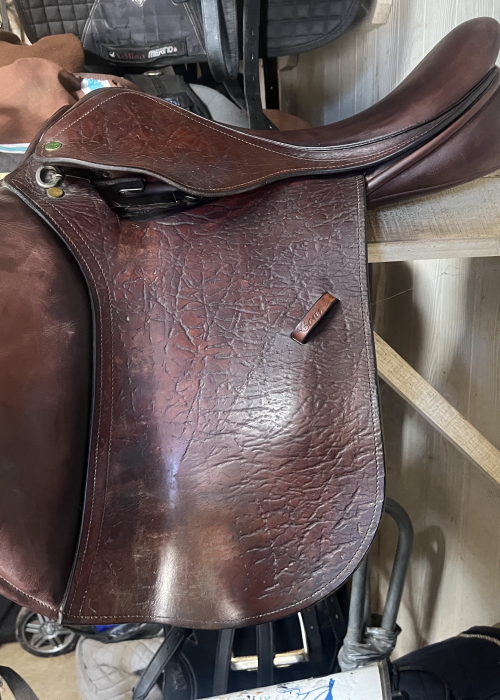
16.5” COUNTY SADDLE
$1,600.00 -
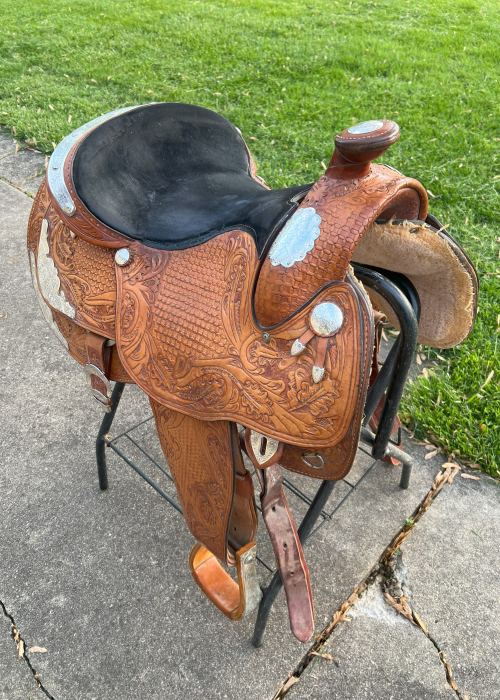
16″ Western Show Saddle
$800.00
Why Arizona is a Great Place to Buy a Horse
Arizona has several features that make it compelling for horse ownership and purchase:
1. Diverse terrain & riding opportunities
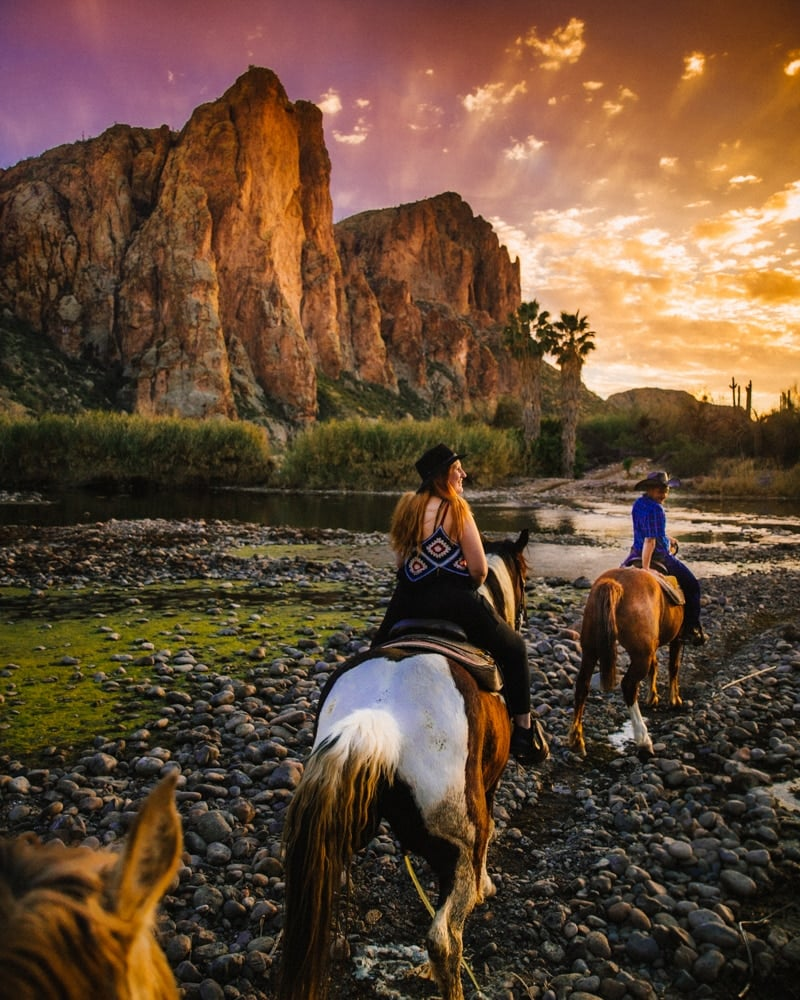
From the Sonoran Desert to pine-forested mountains, Arizona offers a variety of terrain. That means whether you’re into trail riding, ranch work, barrel racing or pleasure riding, you’ll find suitable landscapes and horses in the state.
2. Active horse industry
According to listings, there are hundreds of horses for sale in Arizona at any given time, across breeds and disciplines. For example, sites listing “horses for sale in Arizona” show dozens of current ads. (equinenow.com)
3. Established traditions & breeding hubs
Arizona has a strong history in Arabian horse breeding (especially around places like Scottsdale) and ranch-horse culture. For example, the state is home to premier Arab-horse breeders and key associations. (ehorses.com)
4. Regulatory clarity
Arizona has defined requirements for equine registration and ownership transfers. For instance, the Arizona Department of Agriculture (ADA) requires a registration form and certain documentation for in-state and out-of-state horse transfers. (Arizona Department of Agriculture)
What to Consider Before You Buy
Buying a horse is more than just finding one you like: it’s a commitment in terms of time, money, care, and suitability. Here are the key factors you should check and questions you should ask.
A. Define your goals
- What will you use the horse for? (Trail riding, ranch work, show, competition, all-around pleasure)
- What’s your skill level? A green horse might be fine for a very experienced rider, but less ideal for a beginner.
- Are you looking for a particular breed, height, color or discipline? “Horses for sale in Arizona” listings show everything from unbroken youngsters to finished ranch horses. (Ranch World Ads)
B. Check training, age, temperament & soundness
- How well trained is the horse? Can it load into a trailer, be caught in the pasture, go out alone and in groups on trails?
- What’s the age and health status? Older may mean more experienced but potentially more maintenance.
- Temperament—does the horse handle desert terrain, traffic, other animals, noise?
- Soundness: Always consider a pre-purchase veterinary exam (often called a “prep-purchase exam”) to identify hidden issues. (Wikipedia)
C. Location, transport & environment
- Where is the horse located? Arizona is large; transport from remote areas may cost more.
- Environment: Consider climate (desert heat, winter nights) and what the horse is used to.
- Facilities: Does the seller have good care, and will you? Feed, water, vet care, farrier, facilities all matter.
D. Legal & documentation factors
- Obtain ownership certificate or bill of sale. The ADA states for in-state transfers you must include the seller’s original Equine Ownership Certificate or proof of Arizona ownership. (Arizona Department of Agriculture)
- If the horse is coming from out of state, ensure health certificate, Coggins/EIA test (if required), brand inspection or association registration per ADA. (Arizona Department of Agriculture)
- Ask about registration papers (breed registry), if considered.
- Always clarify whether you are buying as is, or if there are warranties or return policies.
E. Budgeting: upfront + ongoing costs
Beyond purchase price, remember:
- Transport/trailer cost
- Vet inspection and possible treatment
- Farrier (shoes or trims)
- Feed, hay, supplements (Arizona’s arid climate may affect forage quality)
- Tack, equipment, trailer maintenance
- Insurance or emergency fund
- Training, if needed
How to Find Horses for Sale in Arizona
Here’s a practical guide for locating good opportunities and then making the right move.
1. Browse online listings
Sites such as:
- EquineNow list hundreds of Arizona-based horses for sale with filters by breed, age, price, location. (equinenow.com)
- ehorses provides search by state (Arizona), breed specialty, and notes notable breeders. (ehorses.com)
- HorseClicks also has buyer advice and listings. (HorseClicks)
2. Visit breed farms, ranches, sales
- Attend local horse sales or ranch consignments. For example, the The Horse Sale at Rancho Rio in Wickenburg, AZ is an event that draws rope-horse buyers. (Art of the Cowgirl)
- Visit farms around Scottsdale, Wickenburg or other hubs. Talk to breeders and trainers.
3. Try before you buy
- Go and ride the horse, if possible. See how it behaves on the ground, in the environment, on trails.
- Bring along your trainer or a knowledgeable rider.
- Check video and photos, ask for recent vet/farrier records.
4. Arrange transport, click the paperwork
- Once you decide: negotiate price, get a written bill of sale.
- Schedule veterinary exam.
- Arrange for transport/delivery and make sure you comply with ADA requirements for registration/ownership transfer.
Why Arizona-Specific Considerations Matter
Because you’re buying in Arizona, these unique elements apply:
- Climate & environment: Hot desert days, cool nights. Horses used to one area might not always adapt easily to dramatic terrain or temperature changes.
- Trail terrain and culture: Arizona has many rugged trails and open country; a horse used only in the arena might need adaptation for outdoor/trail work.
- Local regulations: As noted, the Arizona Department of Agriculture has stipulations for equine registration and ownership transfer. Ignoring these can cause legal headaches. (Arizona Department of Agriculture)
- Breed & discipline focus: For example, Arabians are prominent in Scottsdale. Ranch/riding/trail horses are common in rural areas. Knowing the local strengths helps you tailor your search. (ehorses.com)
Final Checklist Before You Purchase
Use this as your go-to list:
- Seller contact and facility visited
- Horse’s age, breed, color, training level documented
- Riding/trail test done (you or someone trusted)
- Vet exam scheduled or performed
- Soundness/health/farrier history reviewed
- Ownership transfer paperwork discussed (ADA)
- Transport/trailer arrangements made
- Budget for purchase + first year of ownership confirmed
- Stable/facilities for horse at your end prepared
Conclusion
Buying a horse in Arizona can be an exceptional experience — combining the beauty of the state’s landscapes with an active equestrian community and a variety of horse types and disciplines. By doing your homework, clarifying your goals, inspecting carefully, and following through on paperwork and care, you’ll set yourself up for many rewarding years with your new equine partner.
If you like, I can pull current listings of “horses for sale in Arizona” this week (with breeds, ages, price estimates) — would you like me to do that? Horses for Sale in Arizona
